Designing with Light
Extending Architecture Beyond Daylight
Building on last month’s Innovation Outlook, ‘Atmosphere in Motion,’ which explored Chicago’s latitude and its dramatic variation in daylight over the year, we now examine how light changes across seasons and geographies.
Light is never neutral. It is seasonal, directional, and often unpredictable—shaped by latitude, weather patterns, and from dense urban fabric to wide open spaces. For architects designing high-end residential spaces, this variability presents both a challenge and an opportunity: how to maintain spatial clarity, material richness, and atmosphere when natural light is inconsistent.
The answer lies not only in how a home captures daylight, but in how electric lighting is designed and controlled to extend architectural intent well beyond it.
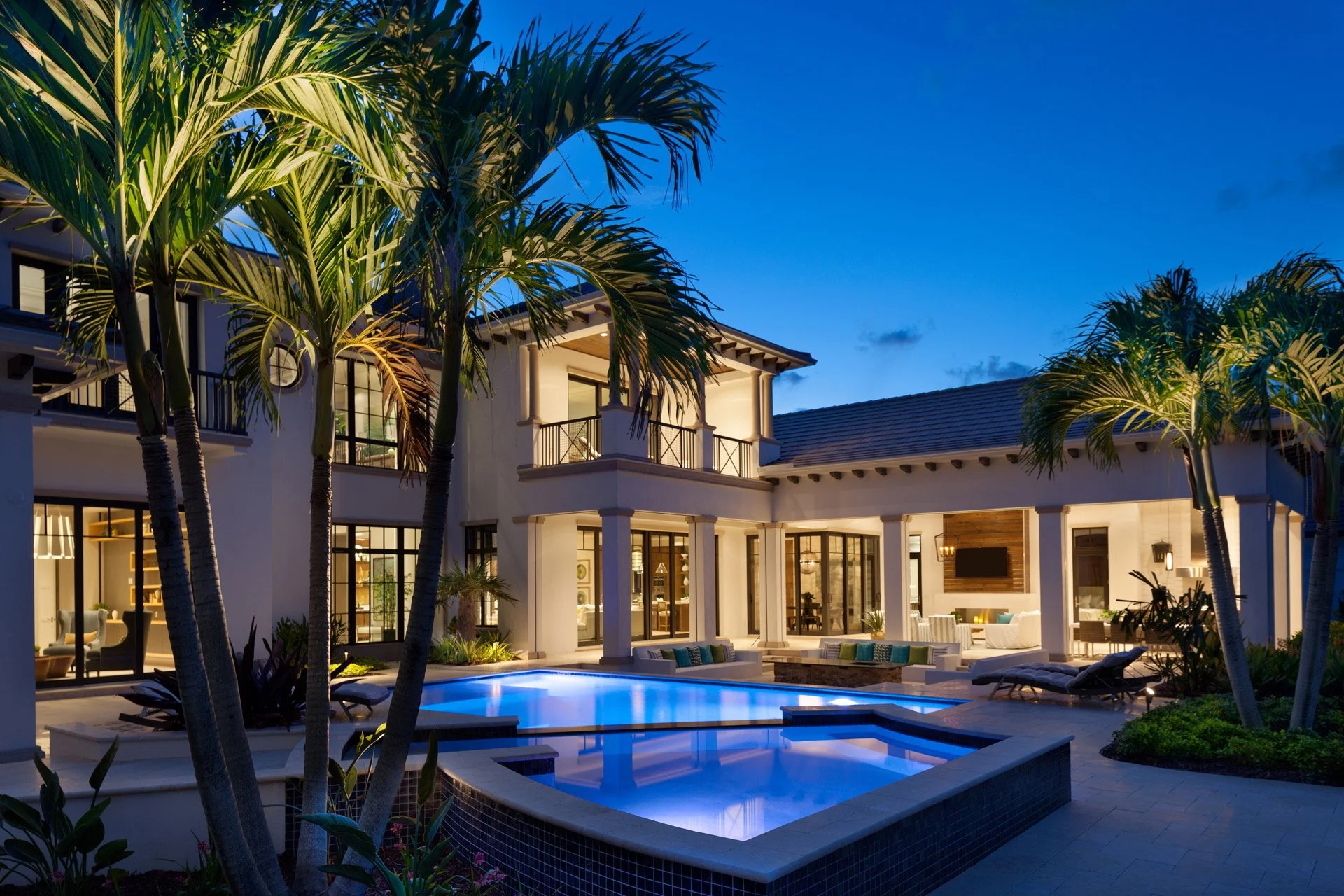
Cities Defined by Seasonal Extremes
Depending on latitude, dramatic shifts in daylight throughout the year:
Winter: Short days, low sun angles, and frequent overcast skies
Summer: Long daylight hours with high intensity and extended twilight
Shoulder seasons: Rapid transitions and inconsistent light quality
These conditions mean that the architectural experience of a home can change significantly from month to month—or even hour to hour. Without a thoughtful lighting strategy, interiors risk feeling flat in winter or overly contrasted in summer.
Daylight as the Starting Point
Architectural design often begins with maximizing available daylight:
Orienting primary spaces to capture southern exposure
Using larger apertures or corner glazing where possible
Incorporating shading strategies to manage summer intensity
But even the most carefully designed envelope cannot fully resolve the variability of light. This is where electric lighting must take on an architectural role, not as a supplement, but as a continuation of the design language.
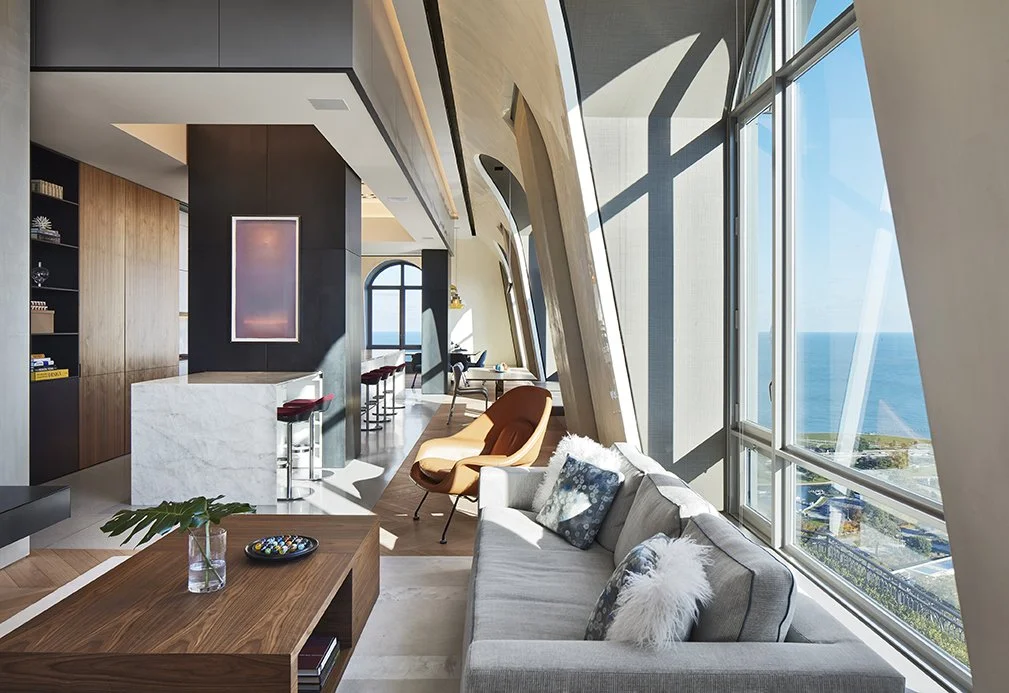
Electric Light as an Architectural Material
When approached with the same rigor as structure or material selection, electric lighting can stabilize and enhance the spatial experience across all seasons.
Layered illumination becomes essential:
Ambient lighting establishes a consistent base level, particularly important during darker months
Task lighting ensures functionality without over-illuminating entire spaces
Accent lighting preserves depth and hierarchy, preventing interiors from feeling flat
Equally important is control over intensity and distribution:
Smooth dimming allows spaces to adapt to changing daylight conditions
Carefully selected beam spreads and placement maintain visual balance
Indirect lighting strategies soften environments during long winter evenings
In this way, lighting reinforces the architect’s intent—regardless of what’s happening outside.
Continuity Across Time and Season
A well-designed home should feel cohesive at 8 a.m. in January and 8 p.m. in July. Achieving this requires more than static lighting—it requires responsive control systems that adapt in real time.
Daylight-responsive dimming adjusts interior light levels as exterior conditions shift
Pre-programmed scenes maintain consistent atmosphere throughout the day
Tunable color temperature aligns artificial light more closely with natural rhythms
These strategies ensure that the home’s atmosphere remains intentional, not incidental.
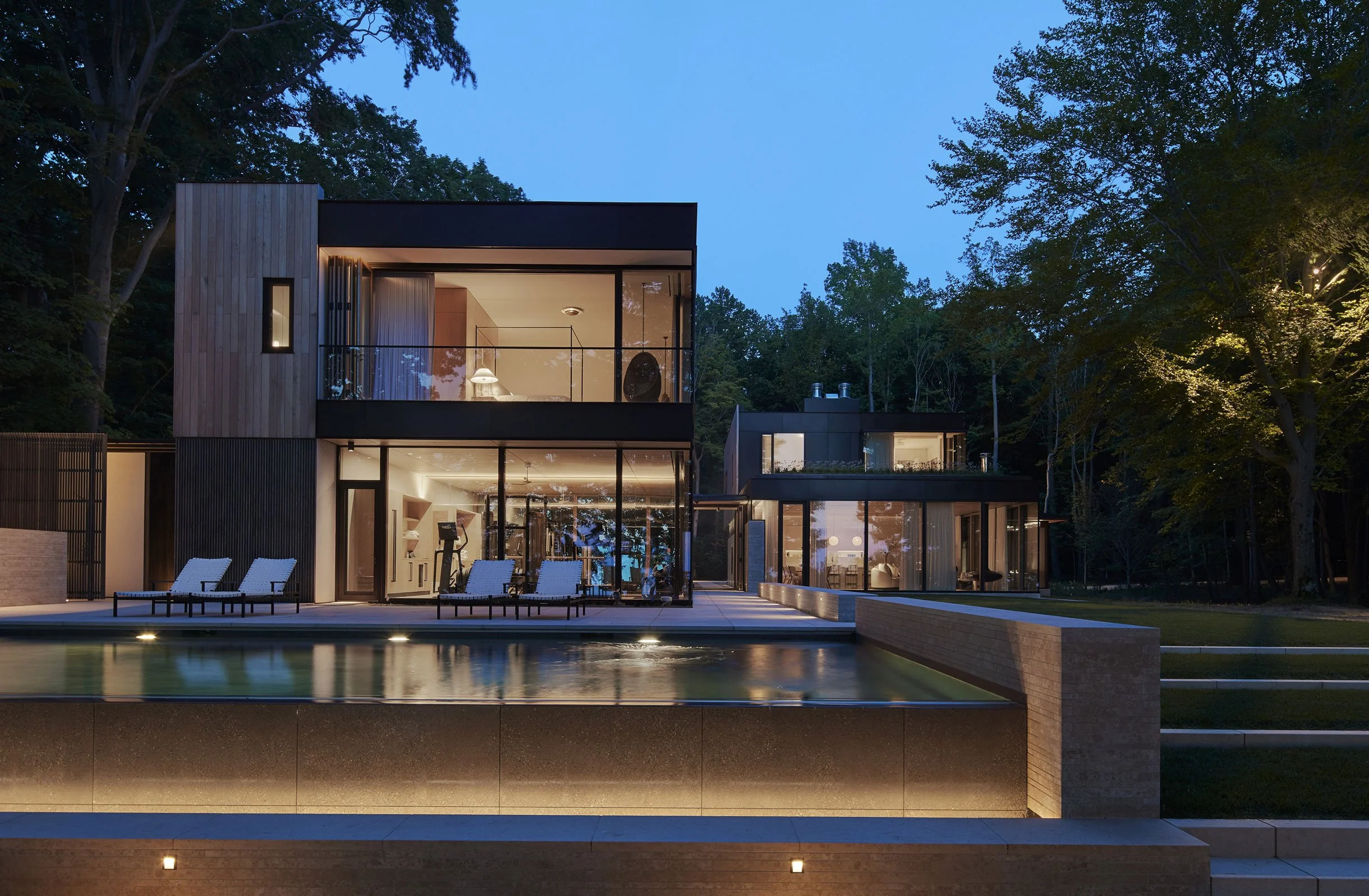
Urban Context Matters
In many homes—whether a Gold Coast high-rise or an Aqualane Shores residence—adjacent buildings, tree cover, and lot constraints further complicate access to daylight.
Lighting design must respond to these realities:
Compensating for limited or obstructed natural light
Managing glare and reflection in glass-heavy environments
Creating a sense of depth and openness in tighter footprints
Here, electric lighting becomes even more critical—not just supporting the architecture, but actively shaping the perception of space.
Collaboration as a Design Tool
Delivering this level of performance requires coordination. Architects, lighting designers, and integrators must work together early in the process to ensure that lighting systems align with the architectural vision.
When done well:
Fixture placement supports spatial composition
Control systems remain invisible yet intuitive
The final environment reflects a unified design intent
This collaborative approach transforms lighting from an afterthought into a core architectural discipline.
Conclusion: Designing with Light, Not Around It
Great residential design doesn’t just respond to light—it anticipates and shapes it.
By treating electric lighting as an extension of architecture, and by leveraging integrated control systems, designers can create homes that remain consistent, comfortable, and compelling throughout the year.
The result is a space that doesn’t depend on perfect daylight conditions to succeed—but instead delivers atmosphere with precision, every day, in every season.