Atmosphere in Motion
How Lighting Control Supports Well-Being in the Chicago Home
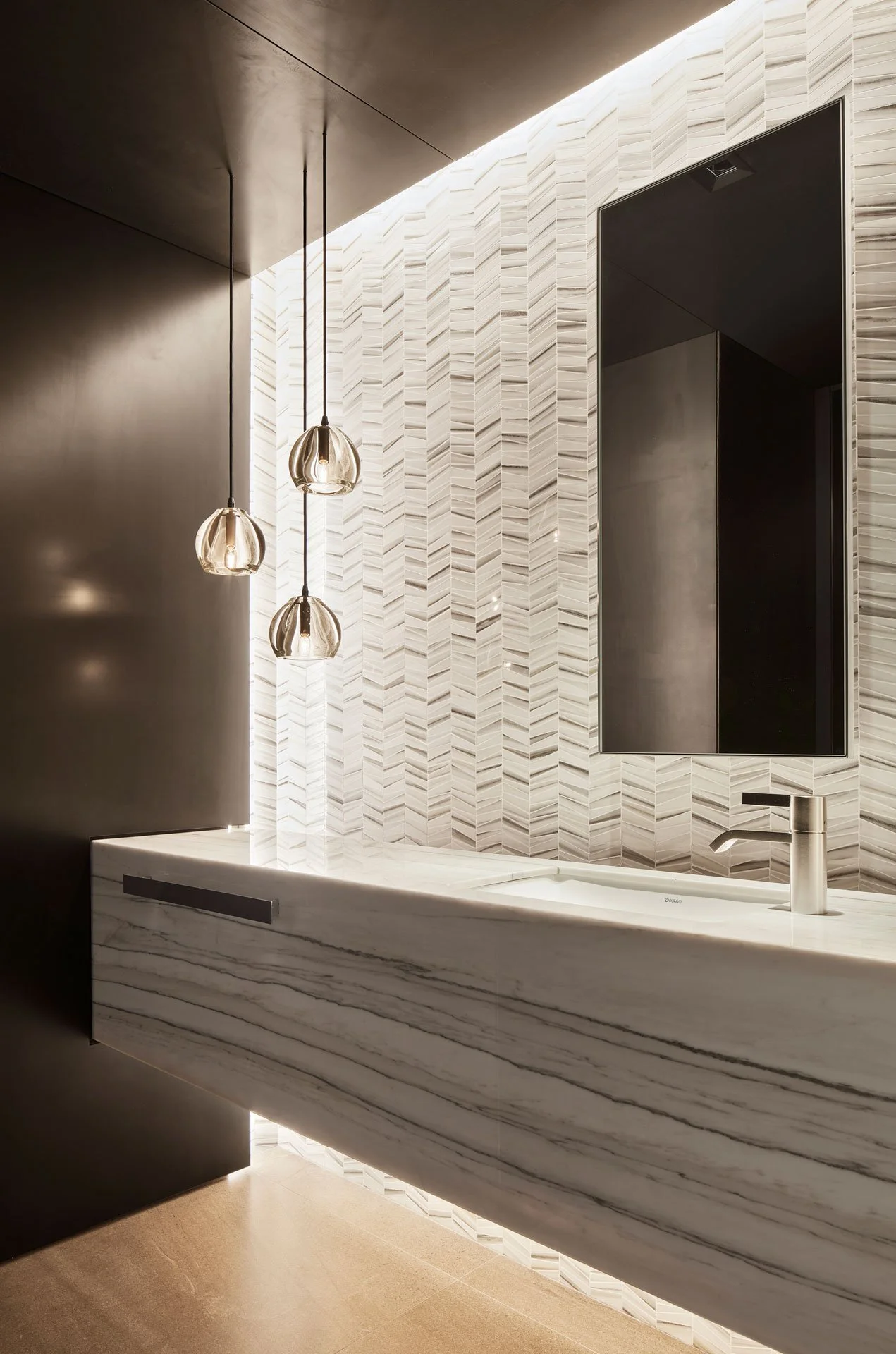
In a city like Chicago, where architecture is both legacy and laboratory, the experience of a home is shaped as much by light and season as it is by form and material. Long winters, shifting daylight hours, and dense urban conditions make atmosphere within the building not just a design ambition, but a necessity. Lighting, in this context, is not static. It must respond—to the sky, to the season, and to the rhythms of daily life. And increasingly, it is lighting control that enables this responsiveness.
Light as a Dynamic Material in a Northern Climate
Chicago’s latitude brings dramatic variation in daylight across the year. Winter days are short and often overcast; summer brings extended daylight and intensity. Architecture responds through orientation, glazing strategies, and shading—but electric lighting must carry that intent further.
With integrated control systems, light becomes adaptive:
Soft, extended illumination in winter months compensates for limited daylight without creating harsh or fatiguing environments.
Daylight-responsive dimming ensures interiors remain balanced, even as exterior conditions shift rapidly.
Layered scenes maintain spatial clarity from bright summer afternoons to early winter evenings.
This continuity is critical in a city where natural light is anything but consistent.
Supporting Well-Being Through Seasonal Transition
In Chicago homes, well-being is closely tied to how successfully a space mitigates the effects of seasonal light fluctuation. Lighting control systems can subtly reinforce circadian health, particularly during darker months:
Cooler, brighter tones in the morning help counter reduced winter daylight and support alertness.
Consistent, glare-free lighting during the day maintains focus in home offices and living spaces—especially important in dense urban environments with limited direct sun.
Warm, dimmed evening light creates a sense of refuge, particularly during long winter nights.
Rather than fighting the environment, the home calibrates to it—supporting both physiological and emotional comfort.
Urban Living, Reduced Friction
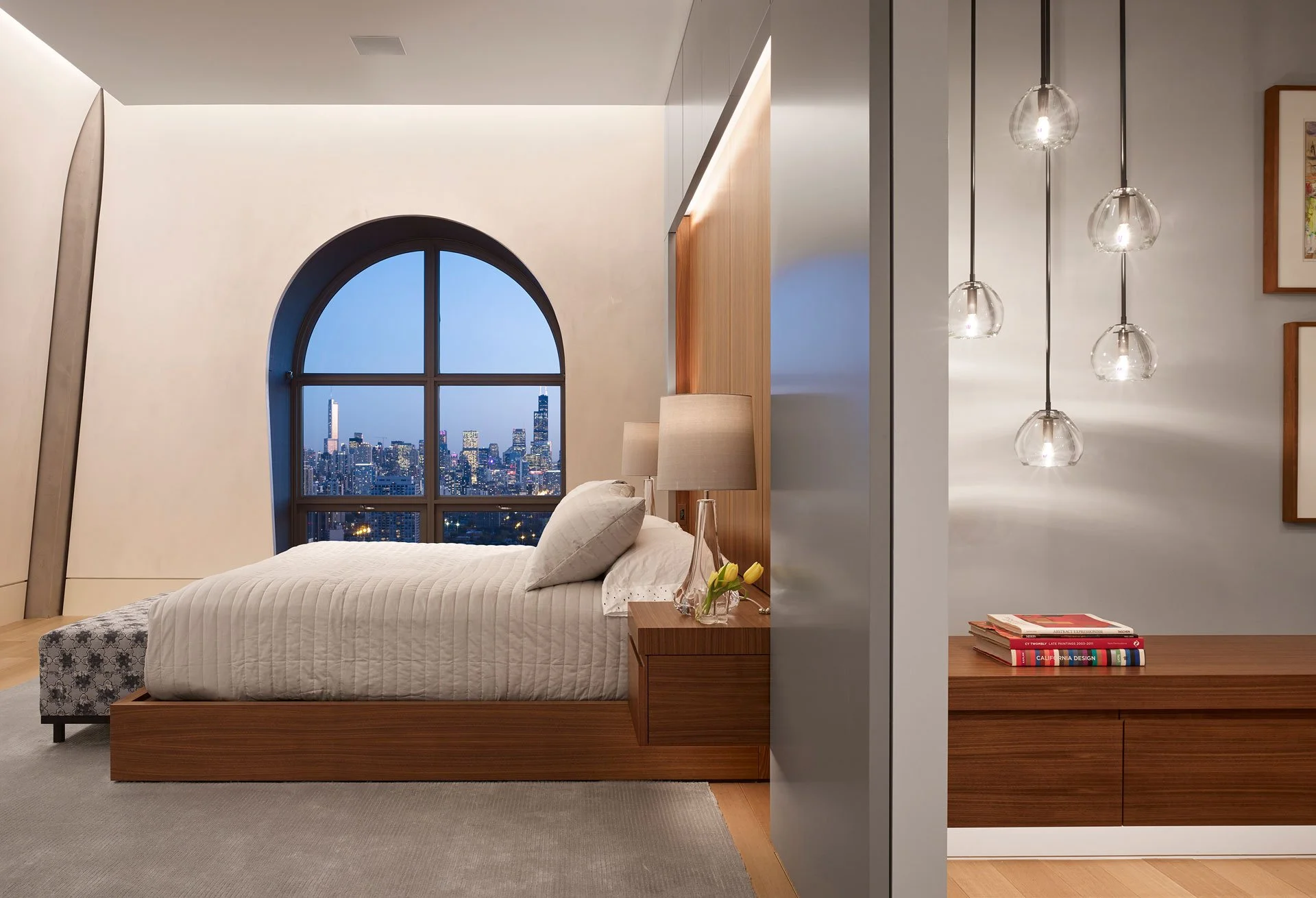
Chicago’s residential environments—whether a high-rise overlooking Lake Michigan or a historic brownstone—often present constraints: tighter footprints, shared light exposure, and complex layering of systems.
Lighting control plays a key role in simplifying and refining these conditions:
Unified control systems reduce wall clutter, preserving clean architectural lines in both modern and historic contexts.
Precise dimming and color consistency prevent visual dissonance across compact or interconnected spaces.
Automated responses to occupancy and daylight allow the home to adapt effortlessly, even as exterior conditions change block by block.
The result is a home that feels composed and intentional, regardless of external complexity.
Integration in a City of Design Excellence
Chicago has long been a city defined by architectural rigor and collaboration. From early skyscrapers to contemporary residential design, the best projects emerge when disciplines work in alignment.
Lighting control is no different.
When architects, designers, and integrators coordinate early:
Lighting strategies can respond to urban context and daylight limitations
Control systems can be embedded seamlessly into both modern and historic interiors
The intended atmosphere can be preserved through every season and time of day
In a climate as variable as Chicago’s, this level of coordination isn’t a luxury—it’s essential.
A Home That Responds to Its Environment
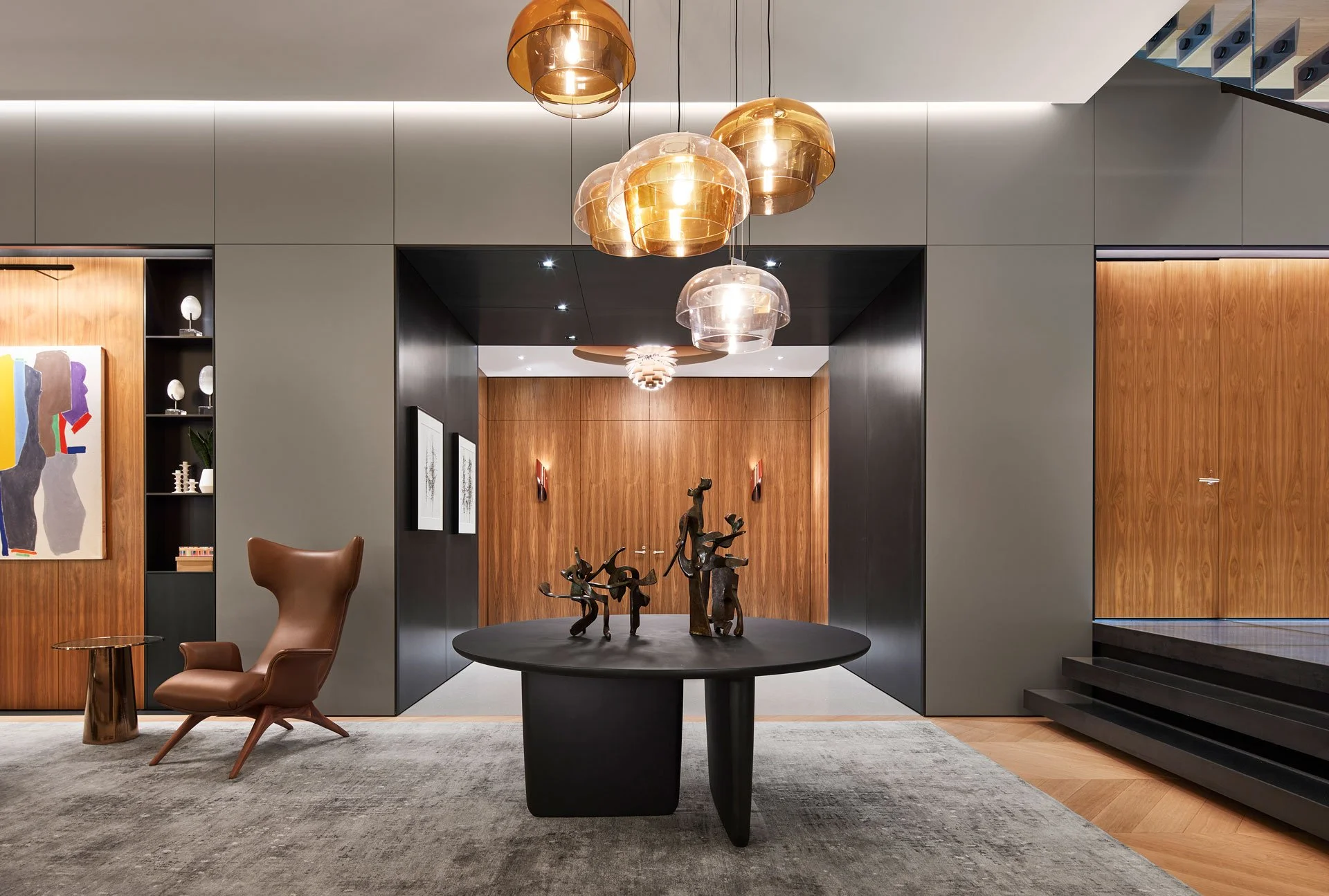
In Chicago, well-being is shaped by how a home responds to light—both natural and artificial.
Lighting control systems allow that response to be precise, quiet, and continuous. They soften winter, balance summer, and create a consistent sense of comfort throughout the year.
In doing so, lighting becomes more than illumination. It becomes architecture in motion—tuned to the rhythms of the city, the climate, and the people who live within it.
Technology That Respects Architecture
Every building has a story, especially in Chicago, where historic character and modern innovation live side by side, from the city streets to the lakefront.
Our role is to ensure technology supports that story, not distract from it. Systems are designed to preserve sightlines and architectural details, align with proportions and materials, and blend naturally into their surroundings. Whether it’s a landmark residence or a contemporary new build, technology is considered from the beginning, not layered on after the fact.
Seamlessness Is Never an Accident
A seamless experience isn’t created by products alone. It’s the outcome of hundreds of thoughtful decisions made early and executed with care.
When craftsmanship guides integration, lighting transitions feel natural. Audio and environmental controls respond intuitively. Interfaces remain simple, restrained, and aligned with the design. Visual calm is preserved from room to room. The technology does its job quietly, reliably, and beautifully